The geopolitical landscape is constantly evolving, with major events shaping the balance of power, economic stability, and international relations across the globe. Recent developments, including escalating conflicts in the Middle East, deepening alliances in the Russia-Ukraine war, and shifting dynamics within global organizations like BRICS, are profoundly influencing global markets and political strategies. Understanding these events is critical for investors, policymakers, and businesses alike, as they impact everything from energy prices to trade policies and diplomatic ties. This section delves into the latest geopolitical shifts, analyzing their implications for global stability and economic opportunities.
Recent developments surrounding Iran have reintroduced a level of uncertainty into global markets that investors have not had to deal with for some time.
What initially appeared to be a regional geopolitical issue is now having broader implications, particularly through its impact on energy prices, inflation expectations, and interest rate outlooks.
For investors, this is not simply a news story. It is a shift in market conditions.
Global markets are once again caught in the crosshairs of rising geopolitical and economic tensions as the United States and China exchange strategic trade measures with far-reaching implications. While a temporary agreement on rare-earth exports offered momentary relief to supply chains, the U.S. government’s sudden imposition of steep tariffs on Chinese electric vehicles has revived fears of a deeper and more enduring trade conflict.
As investors recalibrate expectations, the focus shifts from short-term relief to the potential long-term consequences of a renewed US–China economic standoff.
Geopolitical tensions returned to the forefront of investor focus this week after the United States launched targeted airstrikes on Iranian nuclear-linked sites. The escalation — one of the most significant U.S. military actions in the region in recent years — immediately rattled global markets, sending oil prices sharply higher and triggering a wave of risk-off sentiment across equities, currencies, and commodities.
As investors absorb the implications of a potentially broader conflict in the Middle East, attention has turned to safe-haven assets, inflation-sensitive instruments, and the upcoming policy decisions from central banks.
As the geopolitical landscape grows increasingly volatile, investors around the world are facing renewed uncertainty. The escalation of conflict between Israel and Iran, combined with growing signals that the United States may engage militarily, has sent shockwaves through global markets. These developments come at a time when central banks, including the Bank of England, are already navigating fragile economic conditions marked by elevated inflation and slowing growth.
With diplomacy waning and market volatility rising, now is the time for informed, strategic decision-making.
In an increasingly interconnected world, financial markets no longer move on domestic data alone. This week, global investors find themselves at a crossroads — caught between encouraging signs of inflation cooling and rising geopolitical tensions that threaten to unravel recent gains.
While the UK’s inflation figures point toward potential rate relief, mounting uncertainty in the Middle East has injected fresh volatility into equities, commodities, and currencies alike. This report explores how the FTSE 100, UK gilts, oil prices, and safe-haven assets are responding to this uneasy equilibrium — and what it means for investors navigating the fine line between risk and resilience.
A surprise overnight airstrike by Israel on key Iranian military and nuclear sites has jolted global financial markets, triggering a broad flight to safety and reigniting geopolitical risk premiums not seen in years. As the world braces for potential Iranian retaliation, investors are rapidly repositioning portfolios amid surging oil prices, falling equity indices, and a spike in demand for traditional safe havens like gold, government bonds, and the Japanese yen. The escalating tension between two of the Middle East’s most powerful nations threatens to spill over into global energy markets, monetary policy expectations, and regional security alliances — setting the stage for a turbulent week ahead.
In 2025, global trade is no longer just an economic engine—it’s a central arena for geopolitical maneuvering. From renewed tariff wars to the strategic decoupling of global powers, international commerce is being reshaped by shifting alliances, protectionist policies, and national security concerns. These developments are not only redefining how goods and capital flow across borders but also how investors assess market risk, opportunity, and long-term value.
As the UK and European Union edge closer to finalizing a new bilateral trade agreement and defense pact, investors are paying close attention — and for good reason. These negotiations, hosted in London and led by Prime Minister Sir Keir Starmer, could shape the economic and geopolitical landscape of the region for years to come. But what exactly is on the table — and how could it impact your portfolio?
As the global financial markets begin to open on Monday, investors are bracing for a potentially catastrophic day, with fears mounting over a combination of economic pressures, political instability, and rising uncertainty in key markets. The forecast is grim for major stock exchanges around the world, and analysts are predicting that a “Black Monday” scenario could unfold, reminiscent of past market crashes that shook the global economy.
Rising trade barriers and intensifying geopolitical tensions are sending shockwaves through global financial markets, creating uncertainty for investors and businesses alike. Governments worldwide are imposing tariffs in an effort to protect domestic industries, but these measures are also fueling fears of an economic slowdown, supply chain disruptions, and inflationary pressures.
The electric vehicle (EV) market is witnessing a seismic shift as BYD (Build Your Dreams), China’s largest EV manufacturer, rapidly closes the gap with industry leader Tesla. In recent years, BYD’s aggressive expansion, competitive pricing, and advanced battery technology have positioned it as a serious threat to Tesla’s dominance in the global EV market. While Tesla remains the leader in fully electric vehicles (BEVs), BYD’s rise — powered by a mix of government backing, strategic market penetration, and cost efficiency — is reshaping the competitive landscape.
Global financial markets are under intense pressure as a renewed trade war between major economies escalates, triggering widespread uncertainty and market volatility. Tensions have reached a boiling point after the United States imposed new tariffs on key trading partners, including Canada, Mexico, and China. The retaliatory measures announced by affected nations have further destabilized global markets, raising fears of an economic slowdown and potential recession.
Investor sentiment in European markets has taken a sharp downturn as volatility spikes, with the region’s Fear Index climbing to its highest level in seven months. A combination of economic uncertainty, central bank policies, and geopolitical risks has fueled a wave of caution among traders, leading to sharp declines across major indices.
For decades, the U.S. stock market has been the primary destination for global investors, offering liquidity, stability, and strong corporate performance. However, a significant shift is underway as institutional and private investors increasingly look beyond Wall Street for opportunities.
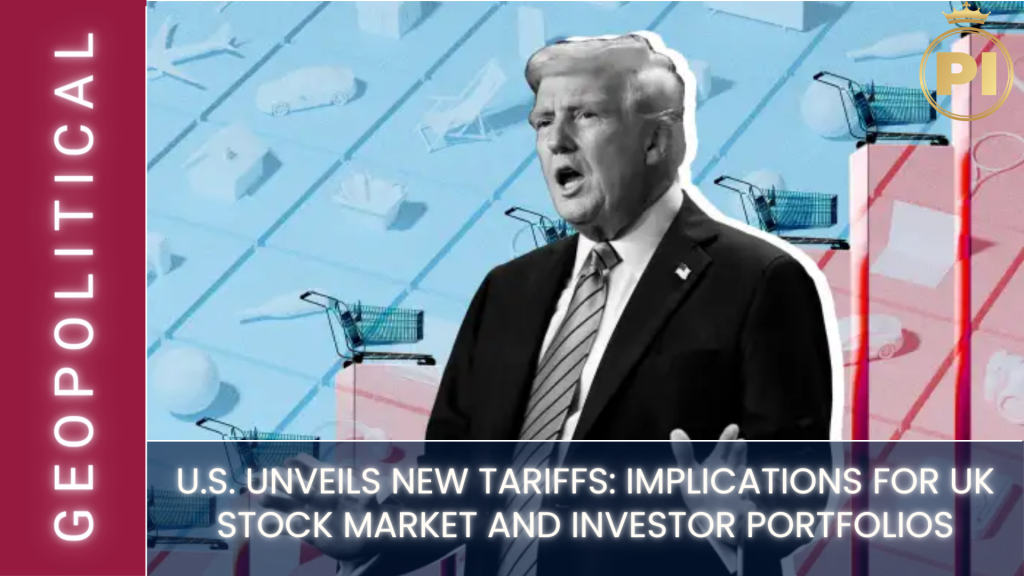
The U.S. has announced a new round of tariffs targeting a variety of imports, sparking concerns about global trade dynamics and their potential ripple effects on the UK stock market. These tariffs, aimed at sectors ranging from manufacturing to technology, could lead to increased costs for UK companies reliant on U.S. supply chains, potentially impacting their profitability and stock valuations.
European defense stocks have soared to unprecedented levels as geopolitical uncertainties drive increased military spending across the continent. The ongoing Russia-Ukraine conflict, tensions in the Middle East, and fears of shifting U.S. foreign policy following the upcoming presidential election have prompted governments to boost defense budgets, creating significant tailwinds for the defense sector.
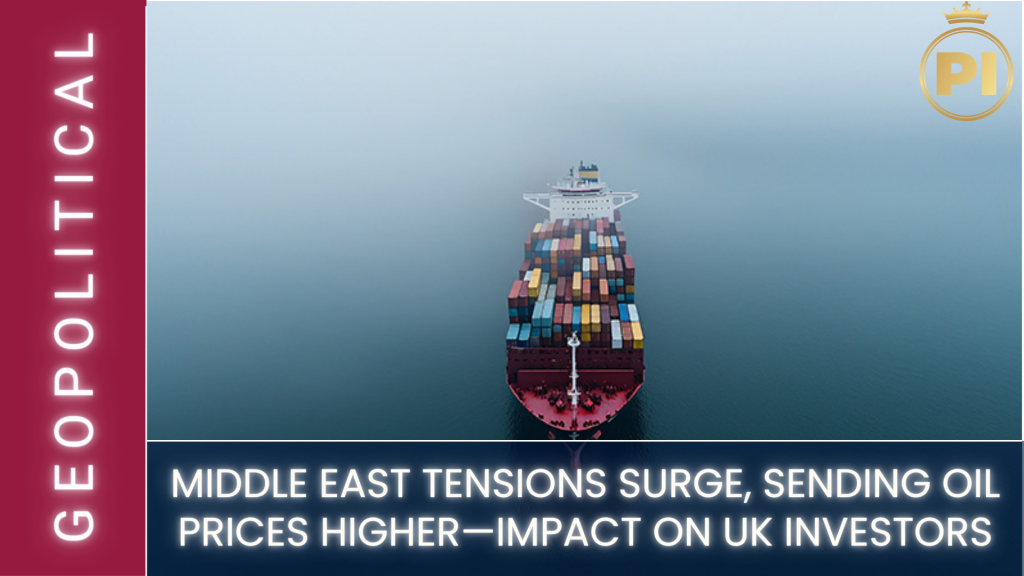
Escalating tensions in the Middle East have led to a sharp rise in global oil prices, raising concerns for UK investors. As conflicts disrupt key supply routes and increase uncertainty in the region, the global energy market has responded with price surges, market volatility, and potential long-term shifts in investment dynamics.
Geopolitical tensions have always played a critical role in shaping global markets, but in 2025, emerging risks are creating heightened uncertainty for investors.
From escalating trade conflicts and energy disruptions to technological rivalries and shifting alliances, these geopolitical developments are influencing stock markets, commodity prices, and investment strategies worldwide.
China is rapidly emerging as a dominant force in artificial intelligence (AI), challenging the long-standing leadership of Western tech giants.
With government-backed initiatives, heavy investments, and a growing pool of AI talent, China’s advancements are reshaping industries, influencing global markets, and altering geopolitical dynamics.
Ashtead Group, one of the UK’s largest industrial equipment rental companies, recently announced plans to move its primary stock market listing from London to the US. This decision is part of a growing trend among UK-based firms seeking better opportunities and valuations in US markets. With a market capitalization of £28 billion and 98% of its operating profits derived from its US-based brand, Sunbelt Rentals, Ashtead’s move underscores ongoing concerns about the competitiveness of the UK’s financial markets.
As the Eurozone emerges from a period of economic stagnation, its accelerating recovery poses fresh challenges to the competitiveness of the UK market. Improved growth prospects, driven by robust fiscal policies, strong industrial performance, and easing inflation, are attracting global investor interest, placing the UK in a tight spot as it vies for capital flows and economic momentum.
Donald Trump’s renewed interest in purchasing Greenland has reignited debate over the territory’s strategic and economic importance. Known for its rare earth minerals and energy resources, Greenland’s potential acquisition could have significant geopolitical and financial implications. This report examines the motivations behind the proposal and its potential impact on global markets and investor sentiment.
Since the UK’s departure from the European Union, trade policy has taken center stage in shaping the country’s economic trajectory. As 2025 begins, the effects of post-Brexit trade deals are becoming more evident, influencing the performance of various sectors on the UK stock market. While challenges persist, emerging trade agreements with non-EU countries are opening new avenues for growth and investment.
As we approach 2025, geopolitical developments are playing an increasingly pivotal role in shaping the performance of UK equities. From escalating tensions between major global powers to ongoing domestic political dynamics, investors are navigating a complex environment that demands strategic decision-making.
The dynamic and often contentious relationship between the United States and China remains a key driver of global economic trends and financial market movements. As the world’s two largest economies, their trade policies, tariffs, and economic interactions have far-reaching consequences for investors, businesses, and consumers worldwide
The return of Donald Trump to the U.S. presidency in 2024 has reignited discussions about the geopolitical landscape and its ripple effects on global markets, including the UK’s defense and aerospace sectors. Trump’s previous administration was marked by increased defense spending, renegotiation of international alliances, and an “America First” policy that emphasized U.S. self-reliance.
The issuance of an arrest warrant for Israeli Prime Minister Benjamin Netanyahu by the International Criminal Court (ICC) over alleged war crimes in Gaza has sparked significant political and economic ripples, with potential ramifications for global and regional financial markets.
With Trump’s return to office confirmed, Asian economies face imminent adjustments to safeguard their markets. Potential policy shifts from the new administration could have sweeping impacts on currency and commodity markets, driving responses across Asia’s leading economies.
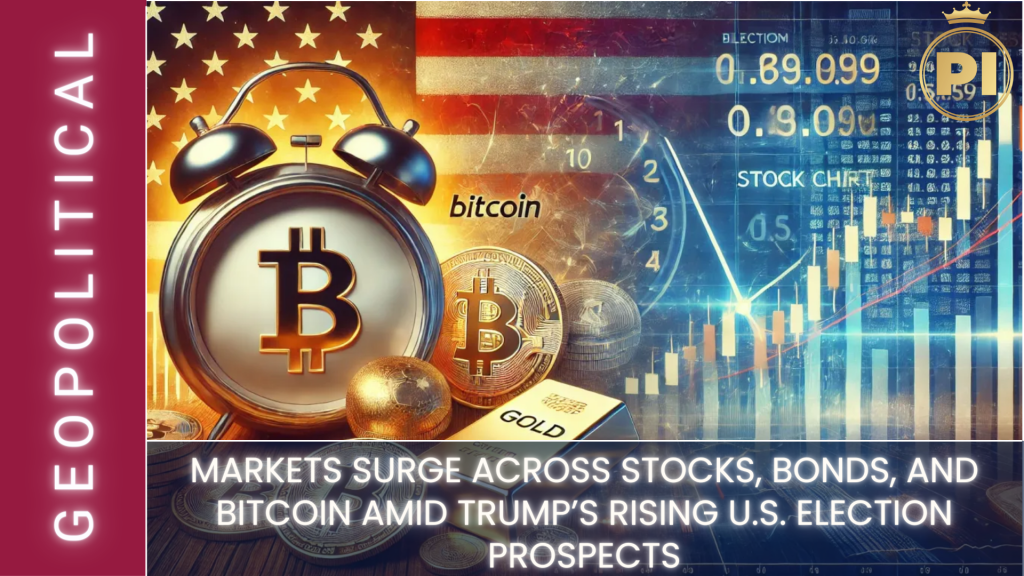
As former President Donald Trump gains ground in the U.S. presidential race, markets are responding with notable movements across several key asset classes. Stocks, bond yields, and Bitcoin are all experiencing significant surges, reflecting investor anticipation of policy changes and economic shifts that could accompany a Trump administration.
As the 2024 U.S. presidential election unfolds, a potential victory for Vice President Kamala Harris could have significant implications for the UK economy. Harris’s economic policies, including her approach to climate change, healthcare, and trade, could lead to shifts in transatlantic relations, affecting key UK sectors like finance, energy, and pharmaceuticals. With an emphasis on green initiatives and regulatory reform, her presidency may create new opportunities and challenges for UK industries and investors.
As the U.S. gears up for another presidential election, the prospect of Donald Trump returning to the White House looms large, raising questions about the potential ramifications for the UK economy. Trump’s previous tenure was marked by significant policy shifts that affected international trade, investment, and diplomatic relations.
The 2024 U.S. presidential race, which could see a contest between former President Donald Trump and Vice President Kamala Harris, holds significant implications for investors—especially in sectors like precious metals, infrastructure, and green technology.
The Russia-Ukraine war continues to significantly affect the global financial landscape, with far-reaching implications for the UK stock market. As the conflict drags on, UK investors are grappling with a range of challenges and opportunities tied to both the geopolitical turmoil and its economic impact.
The ongoing global cocoa shortage, marked by declining production and depleted stockpiles, is expected to create ripple effects across the broader commodities market, particularly influencing coffee prices. As two of the world’s most popular commodities, cocoa and coffee are deeply intertwined in the global supply chain, and the strain in one market often spills over into the other.
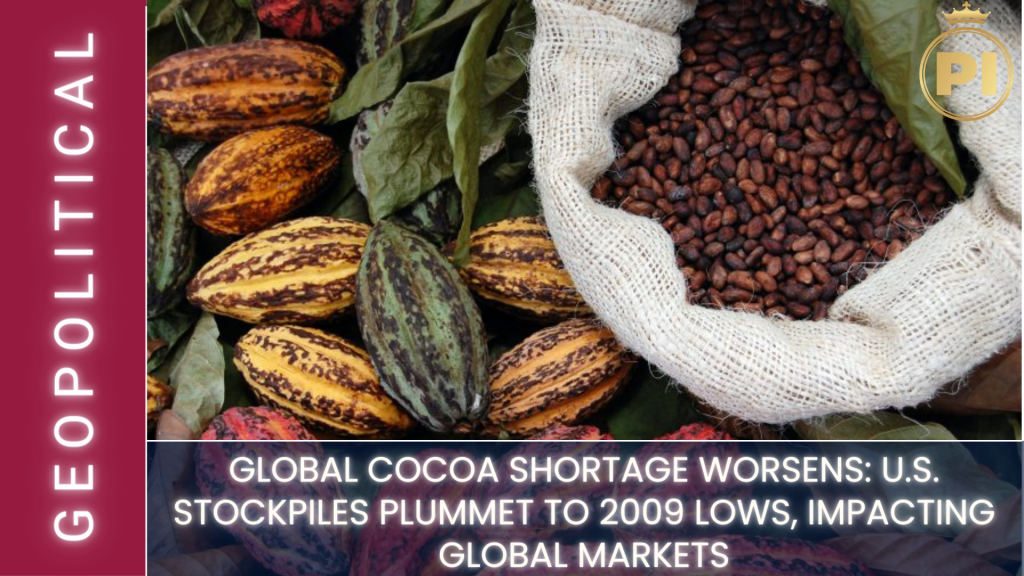
The global cocoa deficit is proving to be more severe than anticipated, with U.S. stockpiles plunging to their lowest levels since 2009. As the demand for cocoa continues to outpace supply, concerns are mounting over the ripple effects this will have on the global markets, affecting everything from chocolate manufacturers to commodity investors.
Given the high stakes, now is a great time to reassess your portfolio strategy. While the markets seem to be anticipating a Trump win, don’t get complacent. If Trump wins the debate, there’s a high likelihood of continued economic optimism and market strength. However, any further legal or political turbulence could lead to sharp corrections, which savvy investors can take advantage of.
You need to remember that the opportunity for you to make money not only in the stock market but in anything is through the price-value discrepancy.
In other words, your job is to try and find things to buy where the price is far away from its true value, specifically when it’s much lower than its true value.
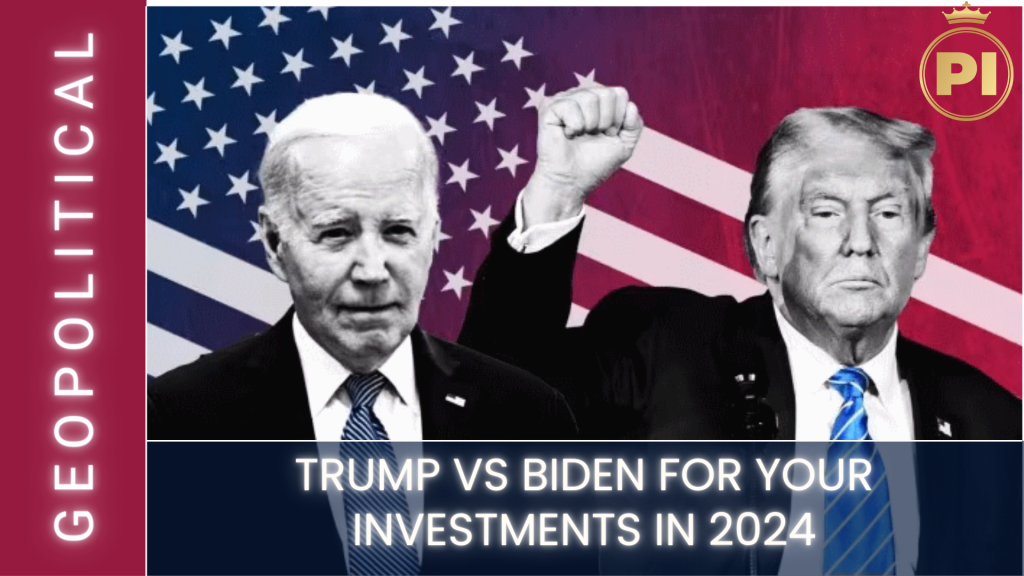
The U.S. presidential election has far-reaching implications beyond American borders, affecting global financial markets and international trade. As an investor, it’s essential to analyze the potential outcomes of the Trump vs. Biden election to anticipate market movements and adjust your investment strategies accordingly.
The 2024 US Presidential election presents investors with potential divergent outcomes based on the policies and approaches of the two major candidates, former President Donald Trump and President Joe Biden. Both candidates represent distinct ideologies and economic philosophies that could significantly impact various sectors of the economy and financial markets.
Brexit, the United Kingdom’s decision to leave the European Union, has had profound and multifaceted effects on the UK stock market. Since the referendum in June 2016, the implications of Brexit have unfolded through various economic, political, and social channels, influencing investor sentiment and market performance.
The Private Investors Club is not regulated by the Financial Conduct Authority. The information on this site is not investment advice and is for educational purposes only. The value of your capital is at risk so speak to your advisor before investing.