Private Investors Club

Pharma giant AstraZeneca is reportedly exploring a move to shift its primary stock market listing to the U.S., citing more favourable valuations and deeper capital markets. If the company proceeds, it would mark another major blow to the London Stock Exchange — and UK investors could face reduced influence, liquidity, and potential tax implications on dividends or capital gains. This shift may also signal a broader trend of top UK companies looking abroad for better market conditions — something long-term investors should keep a close eye on.

Chancellor Rachel Reeves is preparing a significant shake-up of the UK’s ISA (Individual Savings Account) regime as part of her broader plan to channel more domestic capital into British businesses. The changes, expected to be unveiled during her Mansion House speech on July 15, are designed to encourage savers to shift their cash ISAs into stocks and shares ISAs—thereby driving long-term investment into UK-listed companies.

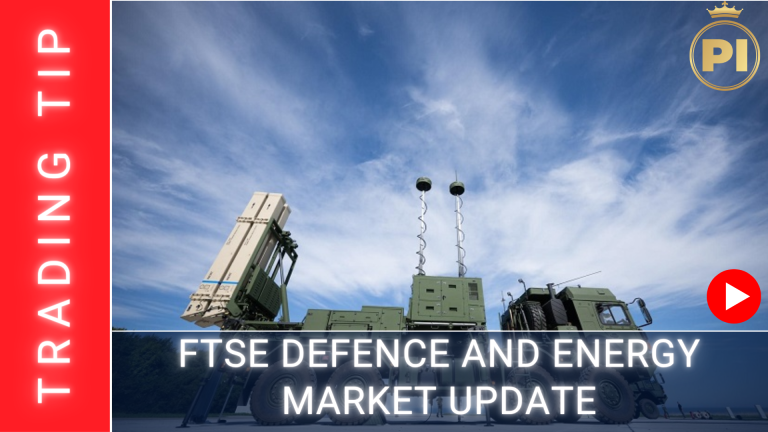
The FTSE 100 continues to demonstrate relative resilience in global equity markets, supported by renewed investor demand for defensive sectors amid mounting geopolitical tensions. As the conflict between the United States and Iran escalates, market participants have turned to traditional havens — with defence contractors and energy majors leading the charge.

With Brent crude oil climbing and defence budgets expanding, the FTSE’s sector composition is proving to be a strategic advantage in an increasingly volatile world.

Over the past decade, U.S. equity markets have been the undisputed engine of global returns, powered by tech megacaps, aggressive monetary policy, and investor optimism. But in 2025, that tide is turning. A growing number of global investors — from pension funds to retail traders — are reallocating capital away from the United States, seeking better value, stronger yields, and reduced concentration risk abroad.

Let’s examine why the “America first” trade is no longer the only game in town — and where the smart money is heading next.

Over the past decade, U.S. equity markets have been the undisputed engine of global returns, powered by tech megacaps, aggressive monetary policy, and investor optimism. But in 2025, that tide is turning. A growing number of global investors — from pension funds to retail traders — are reallocating capital away from the United States, seeking better value, stronger yields, and reduced concentration risk abroad.

Let’s examine why the “America first” trade is no longer the only game in town — and where the smart money is heading next.

Investor confidence surged across the UK stock market this week as metal miners led a strong rally, triggered by a major policy shift from the United States. Washington’s decision to ease tariffs on UK steel and aluminium exports has breathed fresh life into Britain’s commodities sector, sparking optimism among traders and lifting FTSE-listed mining giants.

With global demand resilient and trade barriers softening, UK miners are quickly becoming a focal point for investors seeking both value and cyclical upside.

Since the Trump administration introduced steep tariffs on steel (25%) and aluminium (10%) imports in 2018, the global metals market has experienced lasting turbulence. Initially intended to protect US industries and jobs, these tariffs triggered a cascade of market reactions that continue to influence steel and aluminium sectors today. As of mid-2025, the industry is still grappling with the aftershocks amid new geopolitical challenges, shifting supply chains, and evolving sustainability demands.

European stock markets, including the UK’s FTSE 100, fell sharply this week after former U.S. President Donald Trump announced plans to impose a 50% tariff on all European Union imports if re-elected. The shock move has injected fresh uncertainty into global markets, raising fears of a renewed transatlantic trade war.

In recent months, the spotlight has returned to one of the most influential — yet often overlooked — indicators in global finance: the 30-year bond yield. As long-term rates climb to multi-year highs, investors across asset classes are feeling the ripple effects. From mortgage costs and pension fund strategies to the valuations of high-growth stocks, rising 30-year yields are reshaping the investment landscape in real time. But what should smart investors do about it?

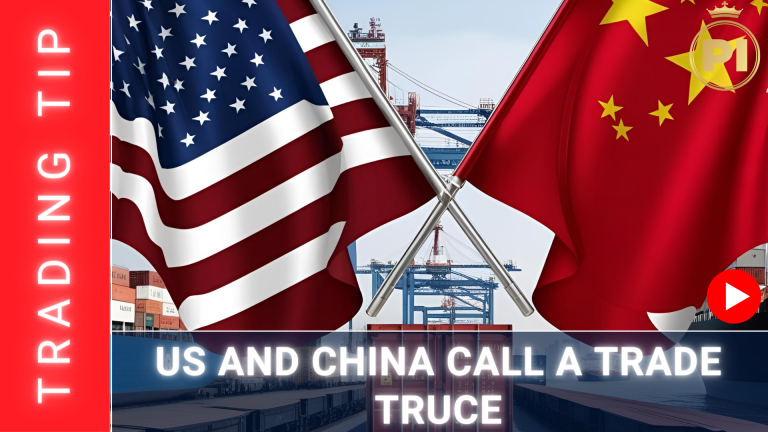
In a significant geopolitical and economic development, the United States and China have agreed to a temporary trade truce, pausing months of escalating tariff threats and trade restrictions. The agreement, announced over the weekend, includes a mutual suspension of proposed tariffs, renewed talks on intellectual property and market access, and a framework for re-engagement in high-level negotiations.

The newly inked strategic partnership between the United States and Ukraine to jointly develop and secure critical mineral resources is more than just a geopolitical milestone—it may also signal a unique investment opportunity, particularly for UK-based investors seeking early exposure to the global energy transition and supply chain diversification.

In a world rattled by inflation, market volatility, and geopolitical tension, gold is once again making headlines. Often seen as a safe-haven asset in uncertain times, the precious metal has surged to new highs — prompting both seasoned investors and cautious savers to take a closer look.

But is gold’s recent rally a sign of long-term opportunity, or a short-term reaction to global stress? 

Chinese capital is flowing steadily into the UK stock market, with a noticeable uptick in investments focused on blue-chip British companies, particularly those listed on the FTSE 100. Despite geopolitical tensions and persistent global volatility, China’s sovereign funds, institutional investors, and high-net-worth individuals are increasingly targeting the UK as a strategic destination for capital allocation.

The announcement of sweeping new tariffs by former U.S. President Donald Trump has sparked renewed uncertainty across global markets, with the UK feeling the impact both economically and politically. The proposed tariffs—targeting key sectors such as steel, automotive, and technology—have triggered volatility in the UK stock market and raised concerns over future transatlantic trade relations.

Wall Street suffered a brutal blow Monday as new U.S. tariffs on foreign goods triggered a wave of panic-selling, sending major indices into a tailspin. The Dow Jones Industrial Average plunged more than 900 points in early trading, while the S&P 500 and Nasdaq each fell over 2.5%, wiping out weeks of gains and reigniting fears of a full-scale global trade war.

In a significant shift in tax enforcement, HM Revenue and Customs (HMRC) is set to implement a new policy that will allow the government agency to directly access bank accounts for the collection of unpaid taxes. This move has raised questions about the balance between tax collection and individual privacy, and how UK residents will respond to the increased government intervention in their financial affairs.

Tesla’s growth plans have hit a setback as Canada implements new policies and regulatory hurdles that could hinder the EV giant’s expansion in the region. The move comes amid increasing scrutiny of Tesla’s business practices, supply chain, and potential subsidies, raising concerns for both investors and the company’s future operations in North America.

Tesla’s growth plans have hit a setback as Canada implements new policies and regulatory hurdles that could hinder the EV giant’s expansion in the region. The move comes amid increasing scrutiny of Tesla’s business practices, supply chain, and potential subsidies, raising concerns for both investors and the company’s future operations in North America.

Tesla is facing significant turbulence as political controversies surrounding CEO Elon Musk have sparked nationwide protests and triggered a sharp decline in the company’s stock price. The fallout from Musk’s perceived political ties has raised investor concerns over the company’s future strategy and market position.

The U.S. stock market took a steep dive as rising concerns over a potential recession sent shockwaves through Wall Street. Major indices, including the S&P 500, Dow Jones Industrial Average, and Nasdaq, all registered substantial losses, with investors dumping risk assets amid growing fears of an economic slowdown. The sell-off marked one of the most turbulent trading sessions of the year, reinforcing anxieties about the Federal Reserve’s policy direction and the broader economic outlook.

For income-focused investors, dividends remain a crucial part of a strong portfolio. As UK companies navigate economic shifts, many are increasing their payouts, rewarding shareholders with higher returns. But which stocks are leading the charge?

In this update, we highlight the top UK companies that have recently raised their dividends, explore the factors driving these increases, and assess what it means for your investment strategy.

DeepSeek’s aggressive expansion strategy and its cutting-edge AI solutions are being hailed as revolutionary, positioning the company as a serious contender in the global tech race. Investors are now re-evaluating the competitive dynamics of the tech industry, leading to volatility across major stock exchanges, including the Nasdaq and FTSE 100.

The surge in UK defense stocks is directly linked to the government’s increasing focus on national security and defense spending. In 2024, the UK government announced its intention to invest a record £75 billion in defense, driven by the rapidly shifting global security environment and Russia’s ongoing invasion of Ukraine. This additional funding is expected to significantly enhance the UK’s military capabilities, including advanced air, sea, and land systems, which directly benefits domestic defense contractors.

Gold prices surged to record highs as global markets reacted to new tariffs imposed by former U.S. President Donald Trump on steel and aluminum imports. The uncertainty surrounding trade policies, rising inflation concerns, and potential retaliatory measures from key trading partners have driven investors toward safe-haven assets, with gold leading the charge.

The cryptocurrency market experienced a catastrophic crash, erasing $500 billion in market capitalization within hours, following controversial remarks and policy signals from former U.S. President Donald Trump. The downturn sent shockwaves through the digital asset space, with Bitcoin, Ethereum, and other major cryptocurrencies suffering double-digit percentage losses.

On January 26, 2025, Nvidia, a leader in GPUs and AI technology, suffered a historic $400 billion loss in market value in a single trading day, marking the largest one-day decline in corporate history. This dramatic drop has sent shockwaves through the tech industry and financial markets, prompting investors and analysts to assess the causes and potential long-term impacts on Nvidia, the semiconductor industry, and the AI sector.

The FTSE 100, the UK’s flagship stock market index, is approaching record highs as investors react to the return of Donald Trump to the U.S. presidency. With markets anticipating significant shifts in global trade, economic policies, and geopolitical dynamics, Trump’s second term is already making waves across financial markets. The FTSE 100, buoyed by strong performances in energy, mining, and financial stocks, is proving resilient despite uncertainties, reflecting investor optimism and the index’s global exposure.

London, historically one of the world’s premier financial hubs, has faced significant headwinds in recent years as its IPO market struggles to regain momentum. While the UK’s capital markets remain robust in many areas, the number of companies choosing to list in London has dwindled, with some opting for exchanges in the US or Europe instead. Global competition, evolving regulatory landscapes, and shifting investor priorities have compounded the challenge.

The renewable energy sector, a critical pillar of the global transition toward a low-carbon future, is facing mounting pressures in 2025. While the long-term outlook for green energy remains promising, the industry is grappling with significant challenges, including persistent supply chain disruptions, rising input costs, and regulatory uncertainties. These headwinds have weighed on the performance of green energy stocks, raising concerns among investors about near-term profitability and growth.

The UK financial landscape is experiencing a dramatic shift as tech giants and traditional financial institutions battle for dominance. The rise of fintech companies and digital-first services has fundamentally changed the way consumers manage their money, pushing legacy banks to adapt or risk losing market share. 

The FTSE 250, a barometer of mid-cap companies heavily exposed to international markets, finds itself under pressure as sterling volatility takes center stage. Fluctuations in the pound, driven by shifting economic policies and global geopolitical uncertainties, are reshaping the landscape for exporters within this index. Sectors such as manufacturing, consumer goods, and technology are particularly vulnerable, as currency movements impact earnings, competitiveness, and investor confidence.

The FTSE 100, a benchmark index of the UK’s largest publicly traded companies, is poised for growth in 2025. With the Bank of England signaling a series of interest rate cuts and blue-chip companies maintaining stable dividend payouts, the index presents an appealing opportunity for investors seeking returns amid global economic recalibration.

The return of Donald Trump to the U.S. presidency carries significant implications for global markets, including the UK stock market. As the leader of the world’s largest economy, U.S. policy shifts under Trump are expected to influence trade dynamics, investor sentiment, and the performance of specific sectors in the UK.

St. James’s Place has been fined hundreds of millions for overcharging clients, sparking concerns about corporate accountability and investor responsibility. Instead of relying on costly firms, consider managing your own portfolio with the right tools and research.

The Labour Government under Prime Minister Keir Starmer is facing mounting challenges as public dissatisfaction grows. With a disastrous budget rollout and plummeting approval ratings, the pressure for another UK general election is intensifying. Despite the turmoil, Starmer has firmly dismissed the idea of a snap election, emphasizing his intent to complete the full four-year term. However, with political opposition strengthening and public confidence waning, questions linger about whether Labour can maintain its hold or if the demand for change will force an earlier reckoning.

It’s astonishing what we’ve come to accept from our government these days. Reflecting on recent history, there have been very few moments when people have truly revolted against taxes. The last significant instance I can recall was during my childhood in the 1980s, when Margaret Thatcher introduced the poll tax. The backlash was immense—massive marches erupted, and ultimately, the tax was scrapped. Now, it feels like history is repeating itself in a new form. 

As we examine recent geopolitical changes, particularly in light of Trump’s re-election, it’s essential to consider their potential impact on the UK stock market. Geopolitics has a substantial effect on financial markets, and with the intricate economic ties between the US and UK, shifts in their relationship can significantly influence market sentiment.

The UK Budget 2024 introduces a notable shift in inheritance tax (IHT) policy, affecting pensions in new ways that could impact many UK households and their financial planning. Traditionally, pensions could often be passed on tax-free to heirs, providing an advantageous form of wealth transfer. However, under the new rules, which take effect from April 2027, inherited pensions will be subject to IHT under specific circumstances, creating new tax liabilities for heirs and shifting long-standing assumptions about pension inheritance.

With Labour’s October budget around the corner, investors may face higher capital gains tax (CGT) rates and reduced pension tax relief. These anticipated changes are sparking renewed interest in stable, tax-efficient assets like gold. As a historically resilient store of value, gold offers a hedge against economic shifts and inflation, making it an increasingly appealing option for UK investors seeking to protect and grow their wealth amid fiscal adjustments. 

With Labour in power, we all knew taxes would go up. But it might be worse than anyone expected. Next Wednesday’s budget? I’m not feeling too optimistic. Neither are my fellow Private Investor Members. Big tax increases are on the horizon and so you need to be ready. Income tax? It’s likely in the crosshairs. We might see the personal allowance frozen, National Insurance creeping up, or even worse, rate hikes. And if income tax doesn’t go up, Capital Gains Tax probably will. And as an investor, that should worry you more.

The FTSE 100 has experienced notable volatility in recent months, driven by global economic uncertainties. Inflationary pressures, fluctuating interest rates, and geopolitical tensions have all contributed to this erratic behavior. While such conditions can be unnerving for many investors, volatility presents unique opportunities for those who are prepared. 

The landscape of inheritance tax (IHT) in the UK is evolving, and recent changes have made it a key issue for investors, homeowners, and workers alike. As property values rise and more families find themselves affected by IHT, understanding the potential reforms and their implications is crucial. This video delves into the latest developments in inheritance tax, exploring how the new rules may impact your wealth, estate planning, and investment strategies. 

Aston Martin, a renowned name in the luxury automotive sector, is currently grappling with significant challenges that have prompted a reevaluation of its operational strategies. The company’s recent profit warning has raised alarms among investors and industry analysts, reflecting broader struggles within the automotive industry. This video delves into the factors contributing to Aston Martin’s difficulties, including inflation, supply chain issues, and changing market dynamics.

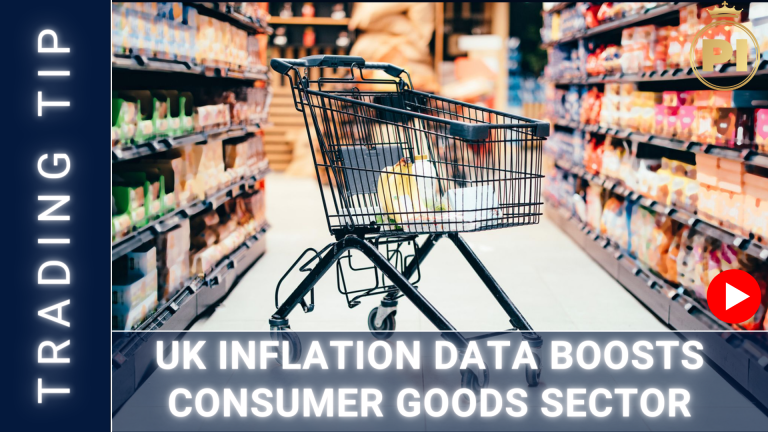
The latest inflation data from the UK has provided a much-needed lift to the consumer goods sector, as investors responded positively to signs that price pressures may be easing. According to recent reports, UK inflation is showing signs of cooling, falling from previous highs, which is helping to improve market sentiment. As inflation moderates, consumer spending power stabilizes, benefiting companies in the consumer goods sector that rely on steady demand for everyday products.

Even the largest companies aren’t immune to market volatility, and Apple just provided a striking example, losing $116 billion in market value in a single day. This sudden drop has raised eyebrows and sparked concerns about what lies ahead for both Apple and the broader tech sector. So, what triggered this dramatic sell-off? Was it shifting economic conditions, softening demand, or something more?

Rolls-Royce is making headlines with its recent announcement of record earnings and the reinstatement of dividend payments, marking a significant turnaround for the iconic British engineering giant. After weathering years of financial turbulence, particularly due to the pandemic’s impact on global travel, Rolls-Royce is back on solid footing with upgraded financial forecasts and renewed investor confidence.

As the 2024 U.S. presidential election draws nearer, the possibility of Kamala Harris facing off against Donald Trump is capturing the attention of both political observers and investors. With each candidate representing contrasting economic policies, the implications for the U.S. economy and investment landscape are significant. Understanding these differences, along with current social and political trends, is essential for investors aiming to position their portfolios strategically ahead of the election.

Global oil prices have seen a notable decline of 2%, primarily due to two major developments: the ongoing ceasefire negotiations in Gaza and the increasing economic uncertainties in China. The combination of these geopolitical and economic factors has led to a shift in the energy market, creating a sense of caution among investors who are closely monitoring the situation.

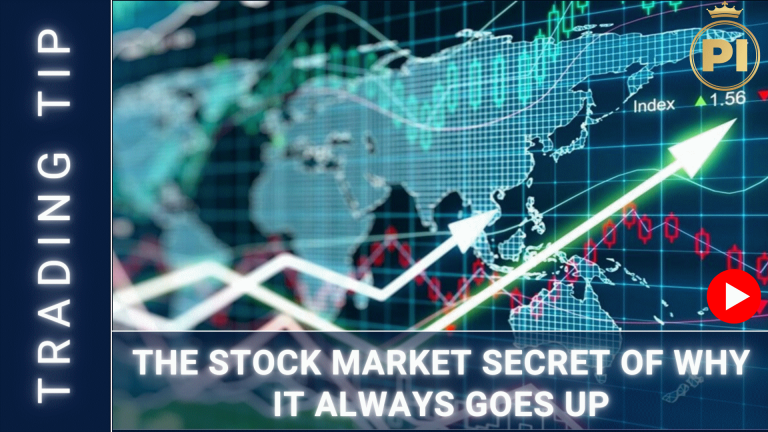
Welcome to the world of the stock market, where, despite all the drama, heartache, and occasional financial panic, it always seems to go up in the long run. You might be wondering why that is, and to explain, let’s compare the S&P 500 to a swanky VIP nightclub. Picture this: a club so exclusive that only the 500 biggest celebrities can get in.

In the stock market, doubling down is a lot like that second option—but with a bit more strategy and a lot less glittering lights.

So, what exactly does “doubling down” mean in the context of investing?

One crucial lesson I’ve learned throughout my trading career is that managing risk is paramount to achieving success for both myself and my investors.

The focus shouldn’t be on the potential profits of an investment but rather on understanding and minimizing the potential losses.

It’s about how much money an investment is unlikely to lose.

On July 21, President Joe Biden announced his decision to withdraw from the re-election campaign. It’s a rare occurrence to see a sitting president make such a move, but Biden has opted to step aside. His departure from the race was sudden and unexpected, much like the fervent enthusiasm often displayed by his predecessor, Donald Trump, during his rallies.


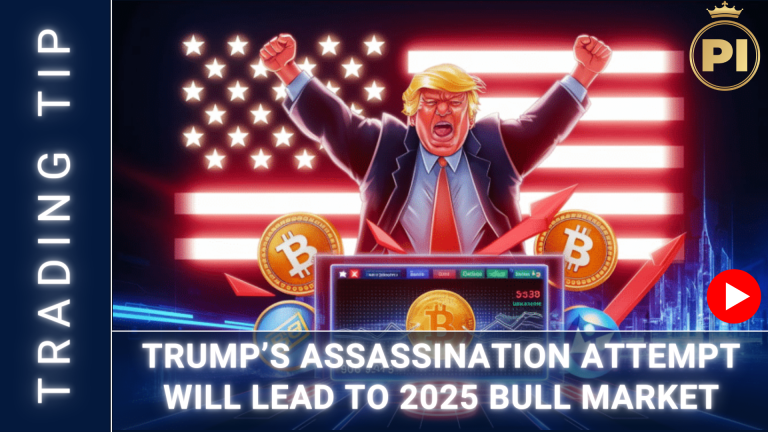
The recent assassination attempt on Donald Trump has sent shockwaves across the globe, underscoring the volatile and often perilous nature of political life. Witnessing such a violent act, marked by the sight of blood spurting from Trump’s ear, serves as a sobering reminder of the extreme measures some individuals are willing to take. Regardless of one’s political stance or feelings towards Trump, it is imperative to recognize that no one should be subjected to violence or face death threats due to their political position. This incident calls for reflection on the importance of maintaining civility and respect in our political discourse, even amidst deep-seated differences.

📢 Exciting News! The Turtle Trader Program is now closed for entries. Thank you to everyone who applied. The test results were astonishing! If you participated, check out your performance. We’ve enrolled selected individuals in the program, where I’ll personally mentor them for 3 months to make them millionaires. Missed out? Don’t worry, we may run another campaign next year. 

Calling all aspiring traders! This is your last chance to join my exclusive Turtle Trader Program!  Let me personally mentor you for a year and teach you the secrets of the dip strategy, how to implement it, and achieve incredible growth. The results so far have been mind-blowing! From March 1 to June 10, we’ve seen a phenomenal 9.2% net return after all charges, including my 20% performance fee. That means you could potentially enjoy an 11% return!

Exchanges function efficiently and are the most straightforward means of holding assets. For instance, the London Stock Exchange lists the UK’s largest companies, and the Commodities Exchange deals with various commodities. These exchanges enable buyers and sellers to trade while also providing a secure environment to safeguard their assets. When considering buying Bitcoin, it’s important to weigh the benefits and risks of purchasing it on an exchange versus holding it in your personal name.

Exploring Equilibrium and Diversification! 🌍

🌿 Join me as I discuss the importance of balance and diversification in your investments. 📈📊 Did you know that even a yellow line on the floor can symbolize equilibrium? 🟡✨

As I celebrate my 50th birthday in Ecuador, I’m reminded of the beauty of this concept.

If you go back into the archives, you will find an article that I wrote and published in 2016, when Bitcoin was less than $1,000 a coin.

At the time, I had also just recently bought a PC that had been shipped from China to ‘mine’ Bitcoin, and it was sitting in my garage whirring away.

Given the current state of the market and the continuing interest in Bitcoin, I wanted to revisit the question: should I buy Bitcoin?

We are judged by the size of our wallets (and purses) and treated accordingly. If you have nothing, you might be treated like nothing. But, if you have substantial financial resources to spend, you will be treated like royalty. This isn’t about showing off; it’s about living a good life. It’s about receiving friendly service with a smile and getting the things you deserve. That’s why mastering the money game is essential for everyone.

Who remembers those old adverts from L’Oreal Shampoo, where the punchline goes “Because you’re worth it”. Well, I think it’s true. You ARE worth it. And the older and more wise I have become, the more I believe this to be true. When I was younger, growing up in a poor, working-class family, I watched my parents and family members struggle with money. It was ingrained in me not to spend—neither on myself nor on others. I didn’t think I was worth it.

In 1983, a notable experiment ignited a debate on whether traders are born or made. Similar to the premise of the film “Trading Places,” the question arose: can an average individual be taught to become a successful trader? 

The experiment’s participant, the average Joe, confirms with confidence that anyone can trade.

Are you sticking with the same financial advisor without questioning their performance or service? It might be costing you more than you think!

Join us for our latest Tuesday Trading Tip where we’ll dive into the dangers of complacency when it comes to your financial advisor.

Tuesday for an exclusive trading tip session: “Israel-Iran Crisis.”

Join us as we delve into an important topic that impacts not just markets, but humanity as a whole.

We seem to live in a perpetual state of war. The recent escalation between Israel and Iran serves as a stark reminder of this reality. Nobody wants war, yet conflict and unrest remain intrinsic to the human experience.

Tuesday for an exclusive trading tip session: “RISK-ADJUSTED MAYHEM.”

In this power-packed session, we’ll dive deep into the world of risk-adjusted trading strategies, unveiling the secrets to spotting the best deals amidst market mayhem. Whether you’re a seasoned trader or just starting your journey, this tip is your ticket to mastering the art of profitable trading.

This week’s Tuesday Trading Tip unveils the paradox that the markets are always wrong.

🔑 Unlocking Success Through Mentorship: The 10-10 Rule 🔑 Discover the transformative power of mentorship and learn about the game-changing 10-10 rule.

Don’t miss out on this insightful discussion!

These are two extra bonus videos I’ve just thrown in for a little extra fun – still connected to trading and investing.

Join us for this week’s Tuesday Trading Tip, where we explore the balance between simplicity and indulgence, just like my uncle with his whiskey and farm life in Panjab. Remember, sometimes quality is in the eye of the beholder, much like the brands we invest in. Let’s uncover the real value together!

The saying goes that you are the sum of the 5 people that you hang around with the most. I’m not sure if I agree with that exact calculation but I certainly agree with the overall concept.

Your surroundings are so important that they have a direct impact on where you go with your life.

If you are successful or unsuccessful, in whatever metric you choose to measure that success, it will be in large part due to your environment and specifically who you spend most of your time with.

Don’t overlook the parallels between life and trading! During my recent visit to Panjab, I gained profound insights into how these parallels shape our decisions and outcomes.

While it may seem unconventional, recognizing these connections has been incredibly empowering for me.

Don’t miss out on this unique perspective! Dive into the report and watch the video now to uncover the profound lessons waiting to be discovered.

Get ready for Tuesday’s trading tips extravaganza! This week, we’re bringing you not one, not two, but THREE hot tips!

TIP 1: Discover the potential of Bitcoin Billions Bonanza.

TIP 2: Uncover the best investment opportunity of 2024.

TIP 3:  Planes, Trains, and Automobiles.

Don’t miss out! Read the report and watch the videos now

There is always a conflict when it comes to investing. There is always a choice, a trade-off. That’s why investing is so much like life itself.

If I eat chocolate, I satisfy my short-term desires but my long-term goals of health suffer.

If I buy high risk penny shares, I could become very rich, but I could also blow up my whole trading account. This conflict has to be firstly understood, and secondly managed.

Firstly, dogs are without doubt the most loyal, loving and grateful animals on the planet, bar none. They give unconditional love and make the world a much better place.

After dogs and how brilliant they are, the next most amazing thing is the return to risk ratio. It’s a beautiful concept that we apply consciously or subconsciously every day.

When we cross the road, we are thinking about the risk of doing so, which is that we could get hit by a truck, and the return of doing so, which is that we get to the other side. It’s a trade-off.

The other day I was watching the new ‘Beckham’ documentary on Netflix. It was very well-filmed and offers a unique insight into David Beckham, his time at Manchester United and some of his most iconic moments on the field. I’m a Liverpool fan and so he’s always been the arch-enemy, but I couldn’t help but warm to his humility, sincerity and honesty.

Football does that to you. It brings out emotions which you didn’t know existed. But as I have aged, I have noticed a strange phenomenon and perhaps you have too? Can you see how football and many other sports have such a profound impact on us?

There’s no doubt that learning how to invest in the stock market is one of the best skills that anybody can acquire. If your goal is to reach financial freedom, it’s arguably a better skill than having any other occupation in the world.

That includes being a brain surgeon, a top barrister, even a professional football player. This is because for every other profession in the world, no matter how handsomely it pays, you are still exchanging your finite time for a finite amount of money.

It’s hard to imagine a world in which the most intelligent economists and actuaries who work for the most prestigious Central Banks in the world, would be unaware that printing lots of money would cause inflation.

It’s really not rocket science. In fact, it’s Economics 101. If you print money, you increase the money supply which means more pounds and dollars chase the same number of goods and services. This means that prices go up.

The S&P500 made 25% profit in 2023 – yes, 25%.  So, you could have literally just parked your cash into a tracker fund on the 1st of January, gone on holiday for the whole year, and come back on 31st December to cash in your investments.

That’s ridiculous – or is it?

Maybe it’s not. Did you know that the stock market goes up every year on average by 7% – that’s the average of the good years and the bad years?

The best way to learn anything in this world is from somebody who has already done what you have done, who has already achieved what you want to achieve.

There is a very valid and helpfulshort-cut in life – it’s called mentorship. Just copying somebody’s strategy or investment approach is a far more sensible way to achieve success than trying to figure it all out on your own.

There are plenty of scammers out there trying to steal your money. The problem is that they are getting better and better each day because that’s their job. It’s their profession.

Think about this for a moment. How much time do you spend each day trying to learn about ways to protect yourself from the scammers? Correct – you spend 0 minutes and 0 hours.

How much time do you think a scammer spends each day trying to learn about ways to scam you? 

This week’s trading tip isn’t going to talk about any particular micro or macro-economic issues. Because there is something more important for us to contend with. The world of bullying.

You’d think that bullying is confined to school playgrounds and disappears as we mature, but in fact the opposite happens. As we get older, especially in the world of commerce, bullying becomes more serious.

The UK Market has remained annoyingly undecided in the past few weeks. It doesn’t know if it’s coming or going, whether it’s going up or down.

And this worrying trend looks set to continue as the uncertainty builds up as we run into Xmas. That’s because for the whole of 2023, the main news that has been driving the markets has been the Federal Reserve and their view on interest rates, and clearly that’s outside of everybody’s control.

With Labour’s October budget around the corner, investors may face higher capital gains tax (CGT) rates and reduced pension tax relief. These anticipated changes are sparking renewed interest in stable, tax-efficient assets like gold. As a historically resilient store of value, gold offers a hedge against economic shifts and inflation, making it an increasingly appealing option for UK investors seeking to protect and grow their wealth amid fiscal adjustments. 

With Labour in power, we all knew taxes would go up. But it might be worse than anyone expected. Next Wednesday’s budget? I’m not feeling too optimistic. Neither are my fellow Private Investor Members. Big tax increases are on the horizon and so you need to be ready. Income tax? It’s likely in the crosshairs. We might see the personal allowance frozen, National Insurance creeping up, or even worse, rate hikes. And if income tax doesn’t go up, Capital Gains Tax probably will. And as an investor, that should worry you more.

The FTSE 100 has experienced notable volatility in recent months, driven by global economic uncertainties. Inflationary pressures, fluctuating interest rates, and geopolitical tensions have all contributed to this erratic behavior. While such conditions can be unnerving for many investors, volatility presents unique opportunities for those who are prepared. 

The landscape of inheritance tax (IHT) in the UK is evolving, and recent changes have made it a key issue for investors, homeowners, and workers alike. As property values rise and more families find themselves affected by IHT, understanding the potential reforms and their implications is crucial. This video delves into the latest developments in inheritance tax, exploring how the new rules may impact your wealth, estate planning, and investment strategies. 

Aston Martin, a renowned name in the luxury automotive sector, is currently grappling with significant challenges that have prompted a reevaluation of its operational strategies. The company’s recent profit warning has raised alarms among investors and industry analysts, reflecting broader struggles within the automotive industry. This video delves into the factors contributing to Aston Martin’s difficulties, including inflation, supply chain issues, and changing market dynamics.

The latest inflation data from the UK has provided a much-needed lift to the consumer goods sector, as investors responded positively to signs that price pressures may be easing. According to recent reports, UK inflation is showing signs of cooling, falling from previous highs, which is helping to improve market sentiment. As inflation moderates, consumer spending power stabilizes, benefiting companies in the consumer goods sector that rely on steady demand for everyday products.

Even the largest companies aren’t immune to market volatility, and Apple just provided a striking example, losing $116 billion in market value in a single day. This sudden drop has raised eyebrows and sparked concerns about what lies ahead for both Apple and the broader tech sector. So, what triggered this dramatic sell-off? Was it shifting economic conditions, softening demand, or something more?

Rolls-Royce is making headlines with its recent announcement of record earnings and the reinstatement of dividend payments, marking a significant turnaround for the iconic British engineering giant. After weathering years of financial turbulence, particularly due to the pandemic’s impact on global travel, Rolls-Royce is back on solid footing with upgraded financial forecasts and renewed investor confidence.

As the 2024 U.S. presidential election draws nearer, the possibility of Kamala Harris facing off against Donald Trump is capturing the attention of both political observers and investors. With each candidate representing contrasting economic policies, the implications for the U.S. economy and investment landscape are significant. Understanding these differences, along with current social and political trends, is essential for investors aiming to position their portfolios strategically ahead of the election.

Global oil prices have seen a notable decline of 2%, primarily due to two major developments: the ongoing ceasefire negotiations in Gaza and the increasing economic uncertainties in China. The combination of these geopolitical and economic factors has led to a shift in the energy market, creating a sense of caution among investors who are closely monitoring the situation.

Welcome to the world of the stock market, where, despite all the drama, heartache, and occasional financial panic, it always seems to go up in the long run. You might be wondering why that is, and to explain, let’s compare the S&P 500 to a swanky VIP nightclub. Picture this: a club so exclusive that only the 500 biggest celebrities can get in.

In the stock market, doubling down is a lot like that second option—but with a bit more strategy and a lot less glittering lights.

So, what exactly does “doubling down” mean in the context of investing?

One crucial lesson I’ve learned throughout my trading career is that managing risk is paramount to achieving success for both myself and my investors.

The focus shouldn’t be on the potential profits of an investment but rather on understanding and minimizing the potential losses.

It’s about how much money an investment is unlikely to lose.

On July 21, President Joe Biden announced his decision to withdraw from the re-election campaign. It’s a rare occurrence to see a sitting president make such a move, but Biden has opted to step aside. His departure from the race was sudden and unexpected, much like the fervent enthusiasm often displayed by his predecessor, Donald Trump, during his rallies.


The recent assassination attempt on Donald Trump has sent shockwaves across the globe, underscoring the volatile and often perilous nature of political life. Witnessing such a violent act, marked by the sight of blood spurting from Trump’s ear, serves as a sobering reminder of the extreme measures some individuals are willing to take. Regardless of one’s political stance or feelings towards Trump, it is imperative to recognize that no one should be subjected to violence or face death threats due to their political position. This incident calls for reflection on the importance of maintaining civility and respect in our political discourse, even amidst deep-seated differences.

📢 Exciting News! The Turtle Trader Program is now closed for entries. Thank you to everyone who applied. The test results were astonishing! If you participated, check out your performance. We’ve enrolled selected individuals in the program, where I’ll personally mentor them for 3 months to make them millionaires. Missed out? Don’t worry, we may run another campaign next year. 

Calling all aspiring traders! This is your last chance to join my exclusive Turtle Trader Program!  Let me personally mentor you for a year and teach you the secrets of the dip strategy, how to implement it, and achieve incredible growth. The results so far have been mind-blowing! From March 1 to June 10, we’ve seen a phenomenal 9.2% net return after all charges, including my 20% performance fee. That means you could potentially enjoy an 11% return!

Exchanges function efficiently and are the most straightforward means of holding assets. For instance, the London Stock Exchange lists the UK’s largest companies, and the Commodities Exchange deals with various commodities. These exchanges enable buyers and sellers to trade while also providing a secure environment to safeguard their assets. When considering buying Bitcoin, it’s important to weigh the benefits and risks of purchasing it on an exchange versus holding it in your personal name.

Exploring Equilibrium and Diversification! 🌍

🌿 Join me as I discuss the importance of balance and diversification in your investments. 📈📊 Did you know that even a yellow line on the floor can symbolize equilibrium? 🟡✨

As I celebrate my 50th birthday in Ecuador, I’m reminded of the beauty of this concept.

If you go back into the archives, you will find an article that I wrote and published in 2016, when Bitcoin was less than $1,000 a coin.

At the time, I had also just recently bought a PC that had been shipped from China to ‘mine’ Bitcoin, and it was sitting in my garage whirring away.

Given the current state of the market and the continuing interest in Bitcoin, I wanted to revisit the question: should I buy Bitcoin?

We are judged by the size of our wallets (and purses) and treated accordingly. If you have nothing, you might be treated like nothing. But, if you have substantial financial resources to spend, you will be treated like royalty. This isn’t about showing off; it’s about living a good life. It’s about receiving friendly service with a smile and getting the things you deserve. That’s why mastering the money game is essential for everyone.

Who remembers those old adverts from L’Oreal Shampoo, where the punchline goes “Because you’re worth it”. Well, I think it’s true. You ARE worth it. And the older and more wise I have become, the more I believe this to be true. When I was younger, growing up in a poor, working-class family, I watched my parents and family members struggle with money. It was ingrained in me not to spend—neither on myself nor on others. I didn’t think I was worth it.

In 1983, a notable experiment ignited a debate on whether traders are born or made. Similar to the premise of the film “Trading Places,” the question arose: can an average individual be taught to become a successful trader? 

The experiment’s participant, the average Joe, confirms with confidence that anyone can trade.

Are you sticking with the same financial advisor without questioning their performance or service? It might be costing you more than you think!

Join us for our latest Tuesday Trading Tip where we’ll dive into the dangers of complacency when it comes to your financial advisor.

Tuesday for an exclusive trading tip session: “Israel-Iran Crisis.”

Join us as we delve into an important topic that impacts not just markets, but humanity as a whole.

We seem to live in a perpetual state of war. The recent escalation between Israel and Iran serves as a stark reminder of this reality. Nobody wants war, yet conflict and unrest remain intrinsic to the human experience.

Tuesday for an exclusive trading tip session: “RISK-ADJUSTED MAYHEM.”

In this power-packed session, we’ll dive deep into the world of risk-adjusted trading strategies, unveiling the secrets to spotting the best deals amidst market mayhem. Whether you’re a seasoned trader or just starting your journey, this tip is your ticket to mastering the art of profitable trading.

This week’s Tuesday Trading Tip unveils the paradox that the markets are always wrong.

🔑 Unlocking Success Through Mentorship: The 10-10 Rule 🔑 Discover the transformative power of mentorship and learn about the game-changing 10-10 rule.

Don’t miss out on this insightful discussion!

These are two extra bonus videos I’ve just thrown in for a little extra fun – still connected to trading and investing.

Join us for this week’s Tuesday Trading Tip, where we explore the balance between simplicity and indulgence, just like my uncle with his whiskey and farm life in Panjab. Remember, sometimes quality is in the eye of the beholder, much like the brands we invest in. Let’s uncover the real value together!

The saying goes that you are the sum of the 5 people that you hang around with the most. I’m not sure if I agree with that exact calculation but I certainly agree with the overall concept.

Your surroundings are so important that they have a direct impact on where you go with your life.

If you are successful or unsuccessful, in whatever metric you choose to measure that success, it will be in large part due to your environment and specifically who you spend most of your time with.

Don’t overlook the parallels between life and trading! During my recent visit to Panjab, I gained profound insights into how these parallels shape our decisions and outcomes.

While it may seem unconventional, recognizing these connections has been incredibly empowering for me.

Don’t miss out on this unique perspective! Dive into the report and watch the video now to uncover the profound lessons waiting to be discovered.

Get ready for Tuesday’s trading tips extravaganza! This week, we’re bringing you not one, not two, but THREE hot tips!

TIP 1: Discover the potential of Bitcoin Billions Bonanza.

TIP 2: Uncover the best investment opportunity of 2024.

TIP 3:  Planes, Trains, and Automobiles.

Don’t miss out! Read the report and watch the videos now

There is always a conflict when it comes to investing. There is always a choice, a trade-off. That’s why investing is so much like life itself.

If I eat chocolate, I satisfy my short-term desires but my long-term goals of health suffer.

If I buy high risk penny shares, I could become very rich, but I could also blow up my whole trading account. This conflict has to be firstly understood, and secondly managed.

Firstly, dogs are without doubt the most loyal, loving and grateful animals on the planet, bar none. They give unconditional love and make the world a much better place.

After dogs and how brilliant they are, the next most amazing thing is the return to risk ratio. It’s a beautiful concept that we apply consciously or subconsciously every day.

When we cross the road, we are thinking about the risk of doing so, which is that we could get hit by a truck, and the return of doing so, which is that we get to the other side. It’s a trade-off.

The other day I was watching the new ‘Beckham’ documentary on Netflix. It was very well-filmed and offers a unique insight into David Beckham, his time at Manchester United and some of his most iconic moments on the field. I’m a Liverpool fan and so he’s always been the arch-enemy, but I couldn’t help but warm to his humility, sincerity and honesty.

Football does that to you. It brings out emotions which you didn’t know existed. But as I have aged, I have noticed a strange phenomenon and perhaps you have too? Can you see how football and many other sports have such a profound impact on us?

There’s no doubt that learning how to invest in the stock market is one of the best skills that anybody can acquire. If your goal is to reach financial freedom, it’s arguably a better skill than having any other occupation in the world.

That includes being a brain surgeon, a top barrister, even a professional football player. This is because for every other profession in the world, no matter how handsomely it pays, you are still exchanging your finite time for a finite amount of money.

It’s hard to imagine a world in which the most intelligent economists and actuaries who work for the most prestigious Central Banks in the world, would be unaware that printing lots of money would cause inflation.

It’s really not rocket science. In fact, it’s Economics 101. If you print money, you increase the money supply which means more pounds and dollars chase the same number of goods and services. This means that prices go up.

The S&P500 made 25% profit in 2023 – yes, 25%.  So, you could have literally just parked your cash into a tracker fund on the 1st of January, gone on holiday for the whole year, and come back on 31st December to cash in your investments.

That’s ridiculous – or is it?

Maybe it’s not. Did you know that the stock market goes up every year on average by 7% – that’s the average of the good years and the bad years?

The best way to learn anything in this world is from somebody who has already done what you have done, who has already achieved what you want to achieve.

There is a very valid and helpfulshort-cut in life – it’s called mentorship. Just copying somebody’s strategy or investment approach is a far more sensible way to achieve success than trying to figure it all out on your own.

There are plenty of scammers out there trying to steal your money. The problem is that they are getting better and better each day because that’s their job. It’s their profession.

Think about this for a moment. How much time do you spend each day trying to learn about ways to protect yourself from the scammers? Correct – you spend 0 minutes and 0 hours.

How much time do you think a scammer spends each day trying to learn about ways to scam you? 

This week’s trading tip isn’t going to talk about any particular micro or macro-economic issues. Because there is something more important for us to contend with. The world of bullying.

You’d think that bullying is confined to school playgrounds and disappears as we mature, but in fact the opposite happens. As we get older, especially in the world of commerce, bullying becomes more serious.

The UK Market has remained annoyingly undecided in the past few weeks. It doesn’t know if it’s coming or going, whether it’s going up or down.

And this worrying trend looks set to continue as the uncertainty builds up as we run into Xmas. That’s because for the whole of 2023, the main news that has been driving the markets has been the Federal Reserve and their view on interest rates, and clearly that’s outside of everybody’s control.